


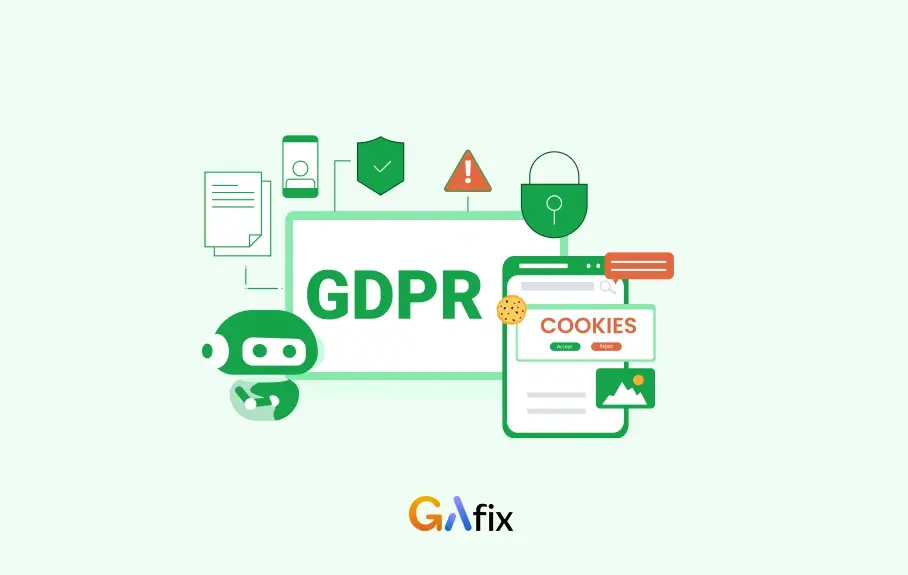



In late November 2025, the European Commission unveiled a comprehensive reform package, known as the Digital Omnibus, which would overhaul Europe's digital rules. The modifications may soften certain aspects of the GDPR's stringent privacy and data-usage requirements, redefine cookie consent methods, and impact how AI systems are regulated under the EU AI Act. While supporters claim the measures aim to simplify compliance and foster innovation, others warn that they may undercut long-standing privacy safeguards.
The recommendations are worth considering for companies, developers, and anyone handling user data from EU users. However, the initiative must pass inspection by EU politicians and member states before any legislative changes take place.
What the Digital Omnibus Proposes
The Digital Omnibus introduces a comprehensive set of updates designed to streamline Europe’s digital governance framework. It brings together changes across GDPR, the AI Act, and cookie regulations to reduce complexity and improve clarity for both organizations and users.
1. AI Regulation: Delays and Data Access:
One of the most significant modifications concerns the EU AI Act. The new approach would push out the enforcement of "high-risk" AI system guidelines, which were initially set for 2026, until December 2027. This allows developers more time to adapt. Furthermore, for specific AI systems, documentation and reporting responsibilities would be lessened, with oversight shifting more to a central EU AI office.
Perhaps more significant is the proposed change in the treatment of data used for AI training. The Commission wants to clarify and broaden when data is considered "non-personal," allowing businesses to reuse anonymized or pseudonymized datasets for AI research more freely.
This means that enterprises, huge tech companies, may be able to train AI models on data collected from European consumers under a broader legal framework, without requiring express prior approval.
2. Cookie Consent and Browsing Privacy: Less Pop-ups, More Browser Control:
One of the most noticeable changes for regular internet users is the use of cookies. The new plan seeks to limit the number of "consent pop-ups" displayed on websites, particularly for low-risk cookies used for analytics or basic functionality.
Instead of seeking approval from each site, the concept would allow users to manage cookie consent at the browser level. When a user establishes a preference, websites should honor it, eliminating "banner fatigue."
In short: fewer intrusive pop-ups, more streamlined browsing experiences.
3. Simplifying Overlap: Law Consolidation and Reporting:
Because the EU has multiple overlapping digital laws (GDPR, ePrivacy regulations, Data Act, and AI Act), the Digital Omnibus seeks to standardize definitions and decrease regulatory overlap.
For example, the idea advises incorporating cookie laws within GDPR (via a newly created article) rather than leaving them to a separate ePrivacy legislation. Other initiatives include reducing cybersecurity and data breach reporting regulations to make compliance easier, particularly for smaller businesses and startups.
Why This Matters and Why Some Are Concerned
From a business standpoint, the proposed changes offer considerable benefits, including fewer regulatory hurdles, simpler compliance, and increased access to data, all of which may expedite AI development and data analytics. Startups and small businesses benefit from less paperwork and more consistent standards.
The advocates expect that this "digital reset" will help European companies remain competitive globally, particularly against giant US and Asian tech corporations.
However, many civil rights organizations and privacy advocates view the move as a reversal of hard-won safeguards. The concerns center on three key changes: expanding the legal basis for utilizing personal data (or pseudonymized data) for AI training; redefining what constitutes personal data; and modifying cookie consent from "opt-in" to "opt-out" or implicit consent via browser settings.
Critics also claim that the idea lacks a proper impact evaluation of citizens' fundamental data rights. There is a dispute about whether "simplification" is actually about reducing red tape or effectively weakening privacy measures.

What This Means for You (If You're Online, Anywhere)
If you run a website, handle user data, or rely on advertising/analytics, these changes may soon impact how you manage permission banners, data storage, and AI-powered services for EU users. Once the new guidelines are in place, your cookie banner practices may change, and your data-handling policies may need to be modified.
If you are a user in the EU, things may feel smoother, fewer pop-ups, easier browsing, and less "consent fatigue." However, you may lose some control over the usage of your data, particularly for AI training or behavioral profiling.
It is vital to emphasize that these are currently only proposals. Nothing has changed in the legislation yet. The outcome depends on debates and amendments in the European Parliament and among EU member states.
What to Watch Next
- Whether EU legislators or member states oppose measures that reduce consent rules and expand data use.
- How the terms "personal data," "pseudonymized data," and "non-risk cookies" are defined.
- Whether browser-level cookie consent guidelines are broadly implemented and become the new norm.
- How AI-related rules change, particularly for high-risk systems, and whether compliance delays persist.
If the Digital Omnibus becomes law in its current form, we may see a significantly different digital landscape in Europe over the next few years: a more streamlined user experience, but also new questions about data rights and privacy.
Final Thoughts
The Digital Omnibus is more than a regulatory update; the EU is attempting to reshape how data, AI, and online experiences operate across the region. Whether it succeeds will depend on the upcoming negotiations and how the final rules strike a balance between simplicity, innovation, and trust. What’s clear is that the decisions made in the coming months will have a lasting impact on Europe’s digital future.
Frequently Asked Questions
Q1. What is the EU Digital Omnibus?

The Digital Omnibus is a package of proposed updates designed to simplify and align Europe’s digital regulations. It introduces changes across GDPR, the AI Act, and cookie consent rules to reduce complexity and make compliance easier for organizations.
Q2. Will cookie consent pop-ups disappear under the new proposal?
If approved, the proposal would reduce many of the current pop-ups by shifting consent management to browser-level settings. Users would set their preferences once, and websites would be required to follow those choices.
Q3. How will the reforms impact AI development in the EU?
The plan may expand the conditions under which anonymized or pseudonymized data can be used for AI training, and it delays high-risk AI compliance obligations until 2027. These changes aim to provide developers with more flexibility while maintaining oversight.
Confident Decisions Start with Accurate Tracking
Ensure your GA4 and GTM are correctly configured, reliable, and ready for scale.


.webp)

Subscribe To Our Newsletter


