Server-Side · Stape · Google Cloud

Keep collecting the data you need, even when browsers limit tracking.

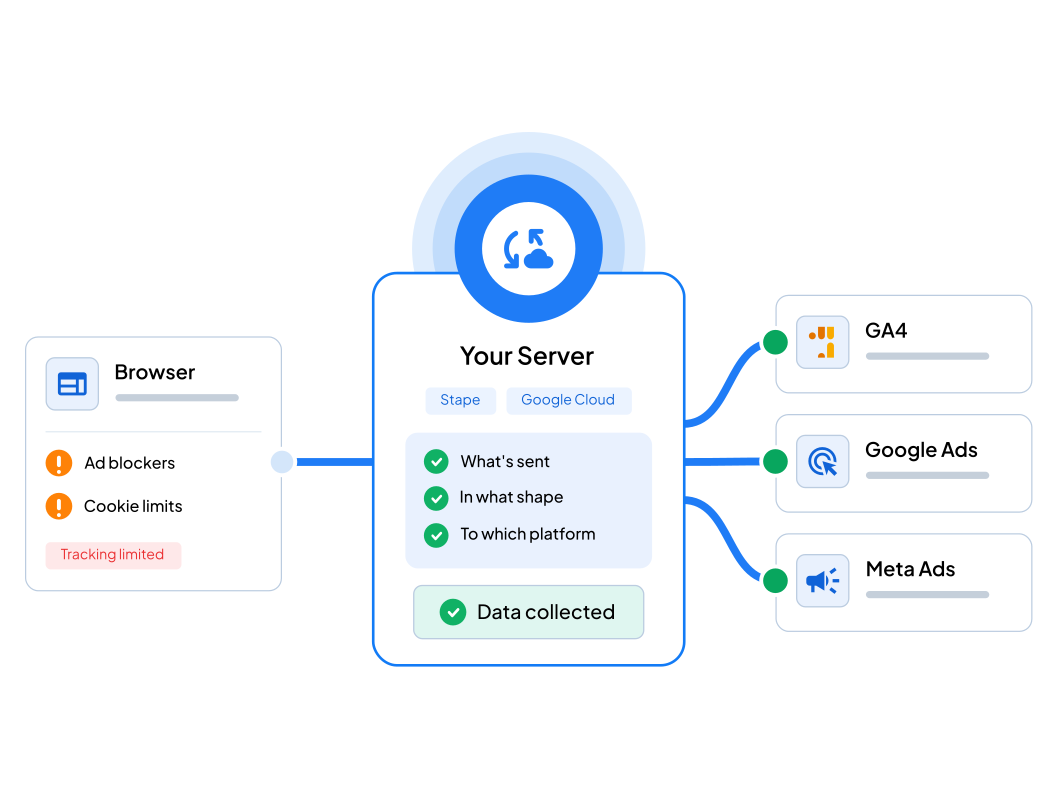
Browsers have been getting less cooperative every year. Server-side tracking moves collection onto infrastructure you control, so you decide what's sent, in what shape, to which platform.

Standard scope. Anything unusual is confirmed on the kickoff call.

Stop losing conversions to the browser.

Tell us about your current tagging setup and traffic volume. We'll scope your server-side container, hosting, and migration path with fixed pricing in 48 hours.
Website URL
How can we help?

No spam. We reply within one business day.

You're on the list - we'll email you when your access is ready.
Oops! Something went wrong while submitting the form.

Browser or server. Here’s what changes.

Most tracking starts in the browser. Server-side tracking becomes useful when browser restrictions, ad blockers, and privacy changes start affecting the data you rely on.

Feature
Ad blockers
Cookie life
Data control
Ad matching
Consent
Website performance
Data consistency
Browser-Side GTM
Tracking can be blocked by the browser or extensions
Browser restrictions can shorten cookie life, especially on Safari
Data is sent from the browser to each platform
Browser restrictions can reduce the signals available to ad platforms
Consent rules are mainly handled in the browser
Multiple tags can add work to the browser
Each platform may receive data differently
Server-Side GTM
Tracking is handled on your server before it reaches ad platforms
First-party cookies can be managed server-side for more reliable measurement
You control what data is sent, changed, or removed before it reaches a platform
More first-party signals can be passed to platforms
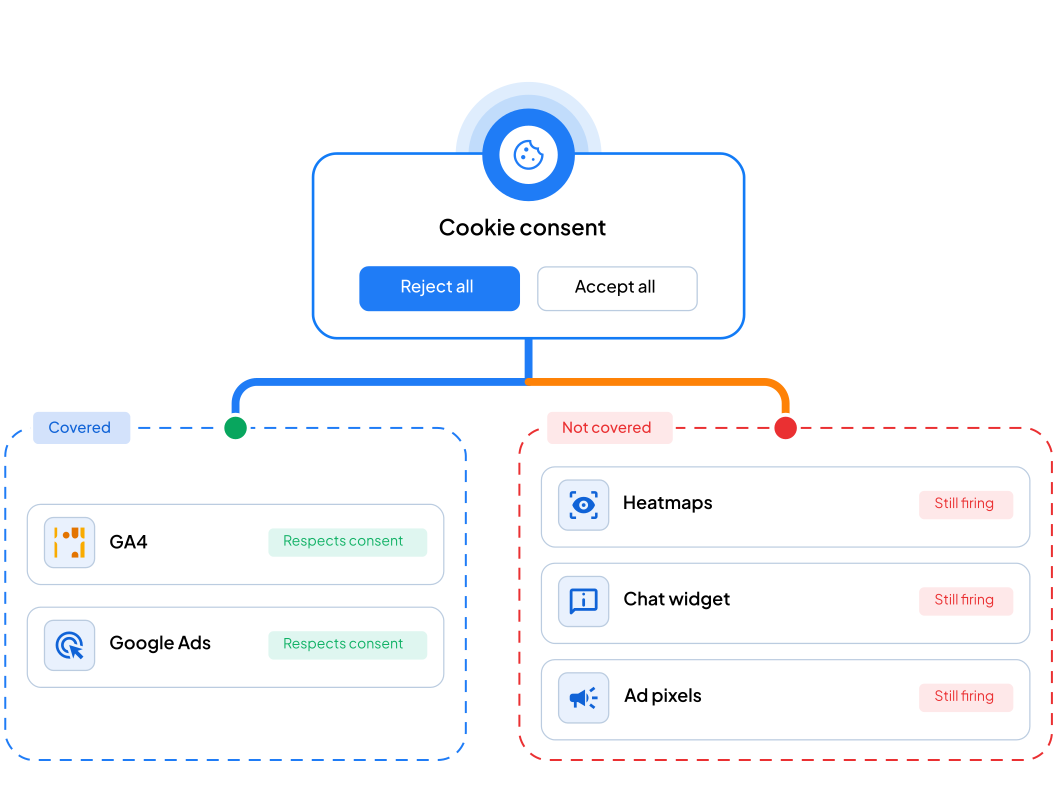
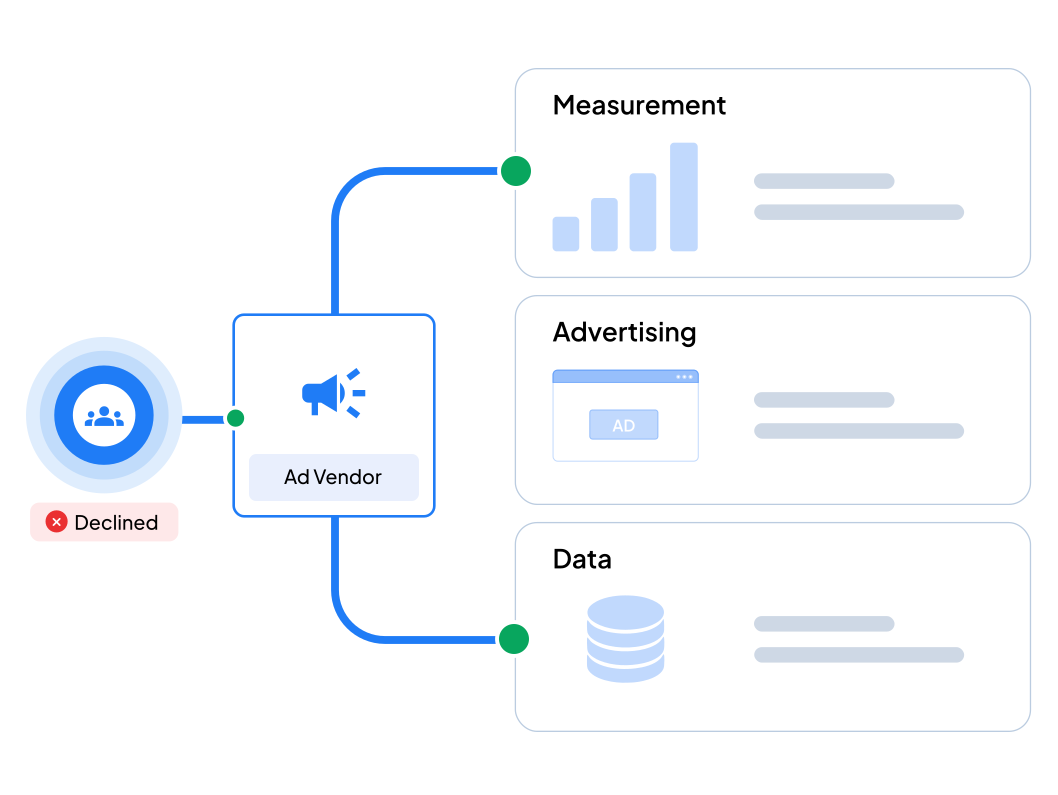
Consent rules can also be enforced before data reaches platforms
More processing happens server-side, reducing some browser-side requests
Data can be cleaned and standardised before being sent to multiple platforms

Scope

What's included

Server container
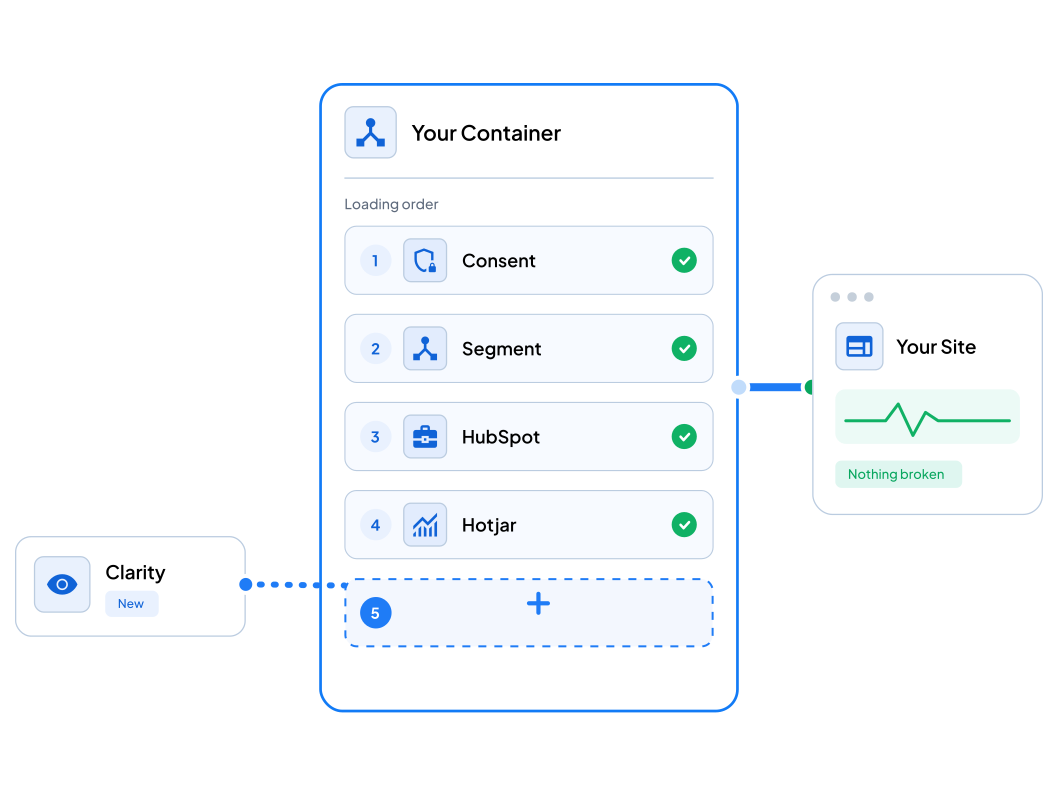
Container provisioned and configured, with endpoint and request handling and secure routing for incoming events.
Forwarding logic
Client-to-server event forwarding, with filtering and transformation rules for controlled delivery to each platform.
Analytics events
Custom events based on real user behaviour, mapped to business outcomes and structured for funnel analysis.
Platform delivery
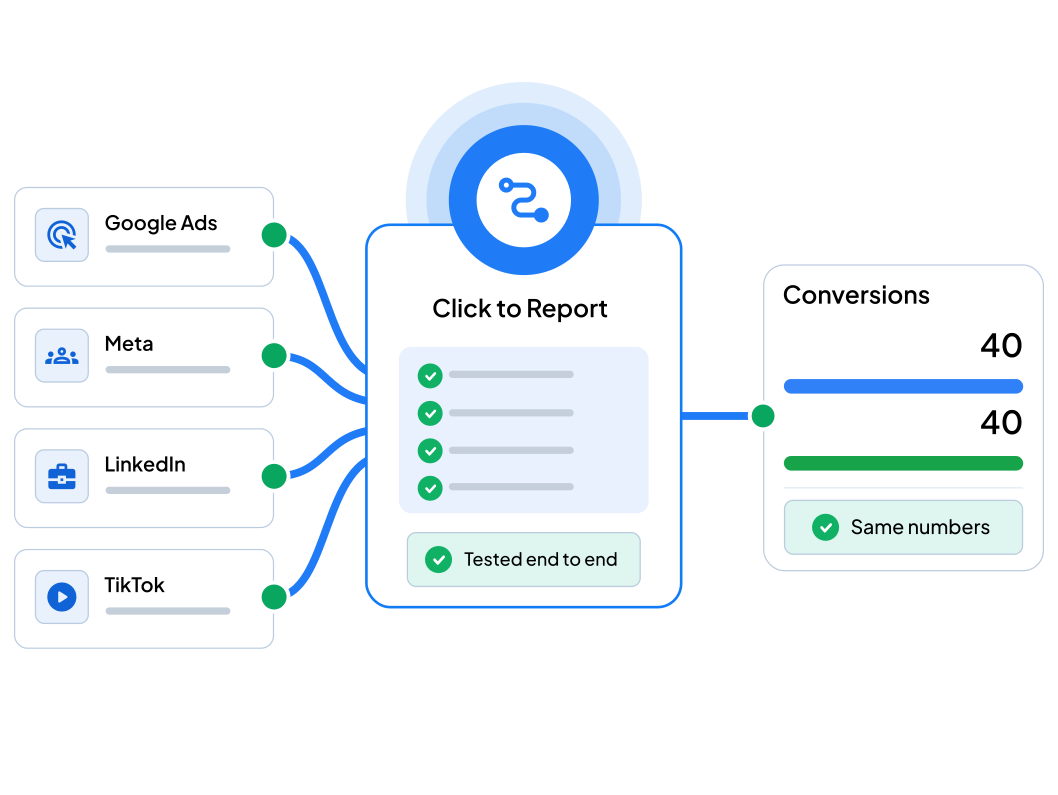
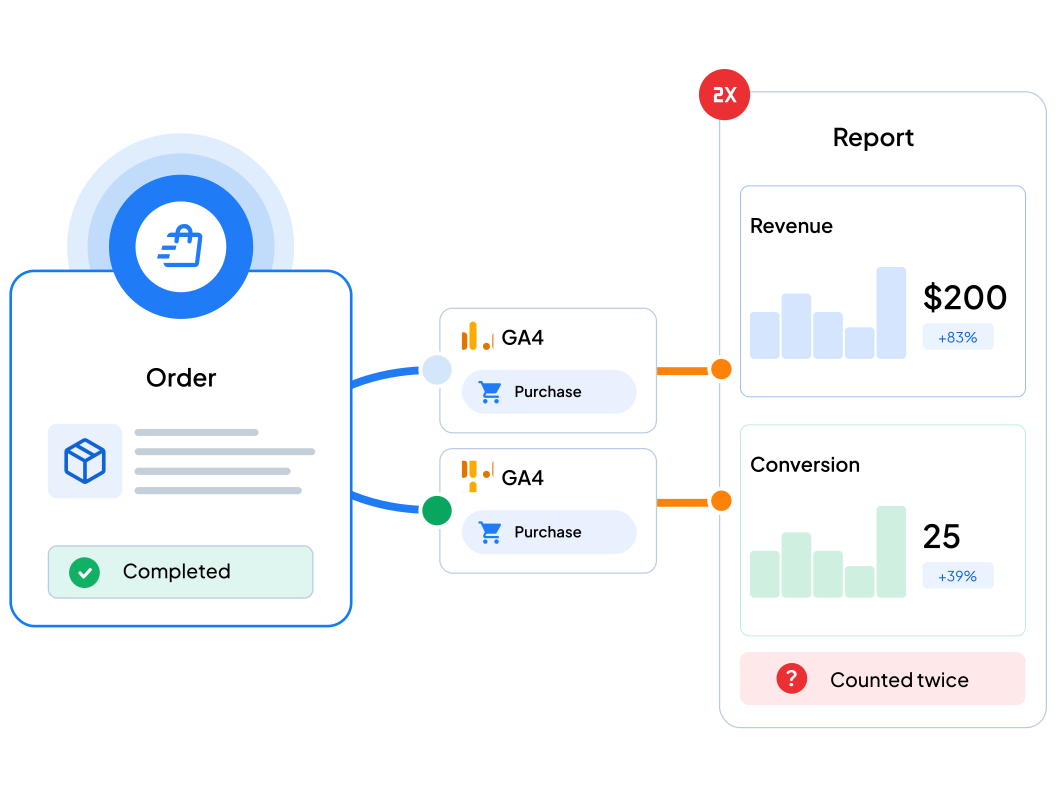
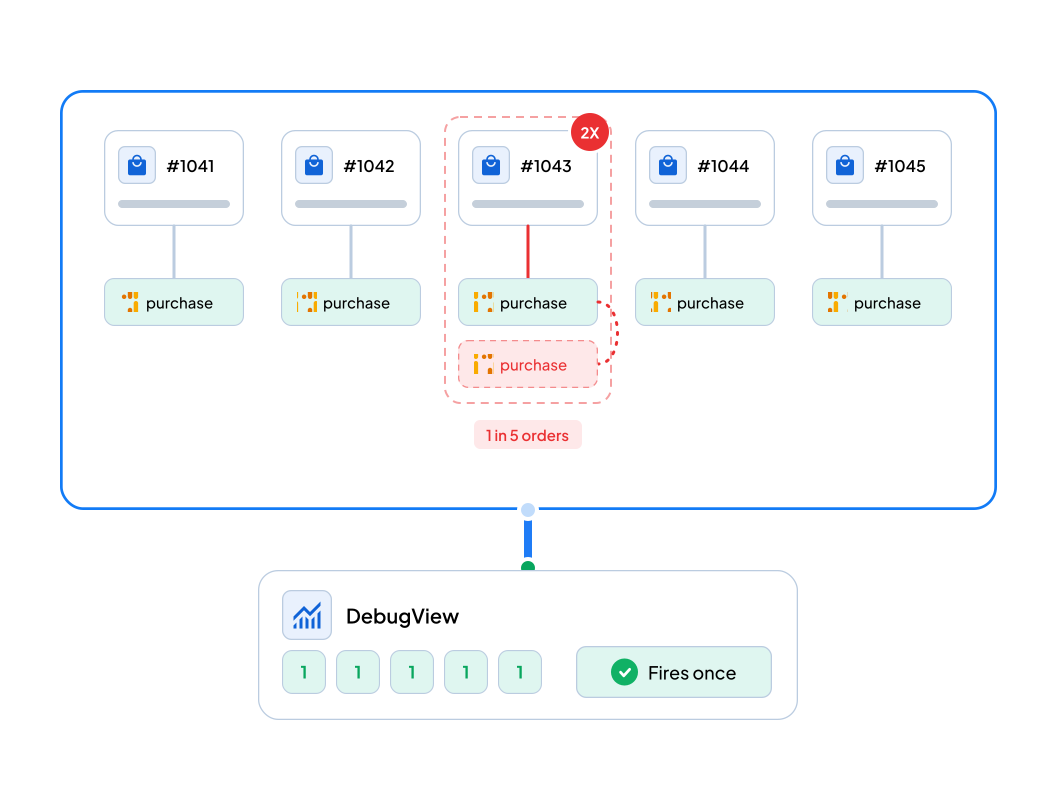
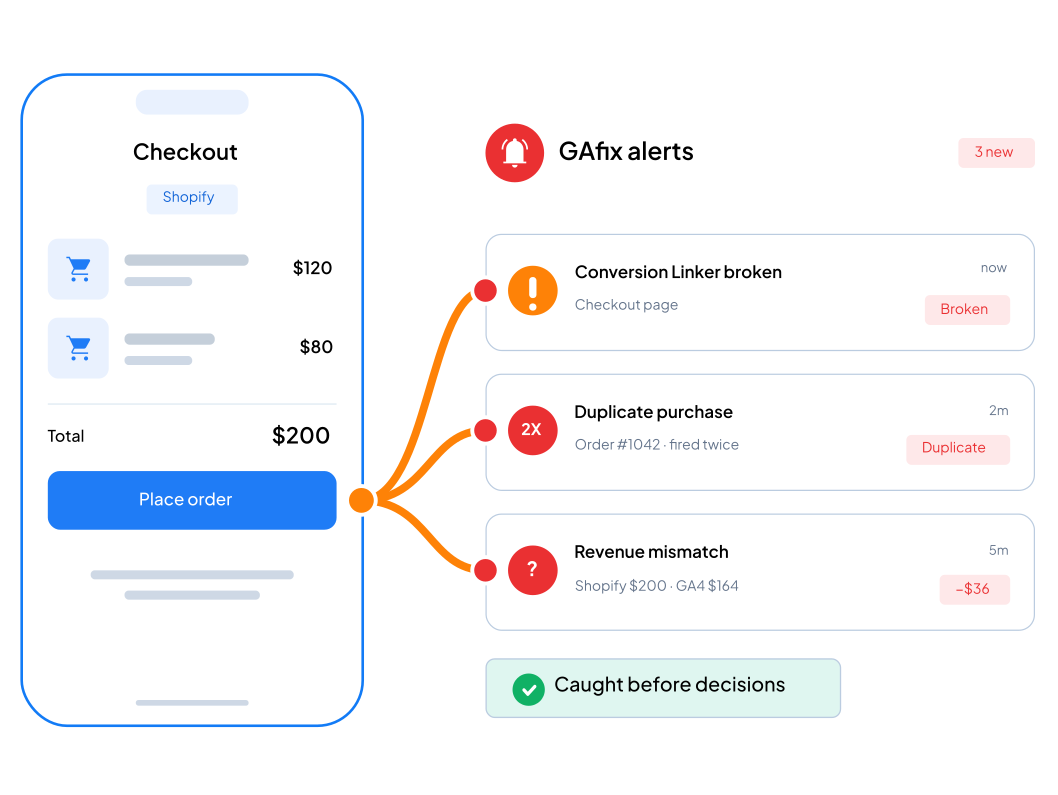
Server-side delivery to analytics and connected ad platforms, with deduplication to ensure nothing is counted twice.

Process

How the work runs

Kickoff call

We map your stack, your platforms and what you're trying to measure, then confirm whether standard scope covers it. This happens before any work begins.

Review what exists

A short pass over how your current setup is installed and behaving, to establish what carries over and what needs rebuilding.

Build, then verify

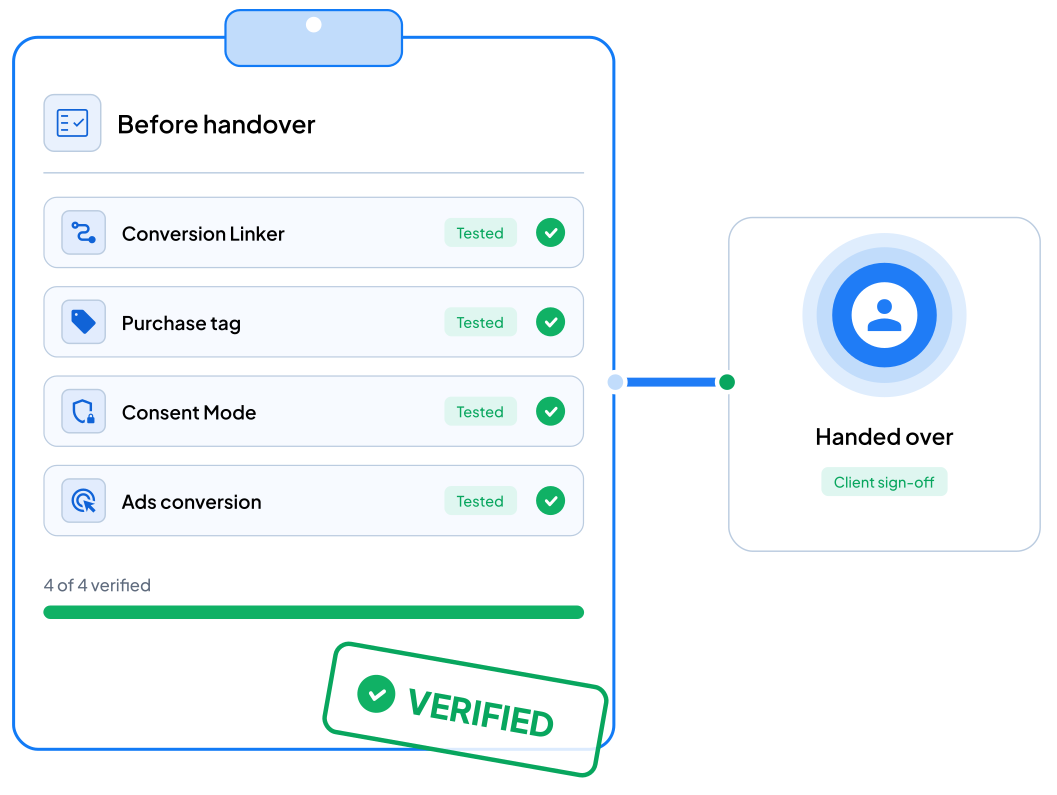
We configure the container, set up forwarding, connect your platforms, and confirm events are arriving correctly before handover.

Results

What you're left with

Not a black box. You'll be able to maintain this without us. Hosting costs from Stape or Google Cloud are billed to you directly and sit outside this price.

Fit

Who this is for

Teams running meaningful paid media spend
Businesses with a visible gap between analytics and ad platform numbers
Companies preparing for stricter consent and privacy requirements
Technical teams who want an architecture they can reason about

FAQ

Frequently Asked Questions

What does server-side actually change?

Today your visitor's browser talks directly to analytics and your ad platforms. After this, it talks to a container you own, and that container decides what to forward. You gain control over the data and lose your dependence on whether the browser cooperates.

How do I know if I need it?

The honest test is whether browser collection is already failing you. Different conversion totals across platforms, inconsistent event delivery, match quality warnings, or consent requirements you can't meet client-side. If none of those apply, standard Google Tag Manager setup is probably enough.

Will it recover everything I'm losing?

No, and anyone promising that is guessing. If a visitor blocks the first request, nothing recovers it. What server-side reliably does is extend cookie lifetimes and stop platform-side restrictions from dropping events you've already collected. We measure the actual difference on your site rather than quoting an industry average.

Stape or Google Cloud?

Stape is quicker to deploy and simpler to maintain, which suits most setups. Google Cloud gives you more control and works out cheaper at high volume, but needs someone comfortable with it. We recommend based on your traffic and who'll own it, not on preference.

What access do you need?

Your container, your analytics property, and your primary ad platform. We confirm the exact permissions on the kickoff call so you're not handing over more than necessary.