Google Tag Manager

A container your team can actually read.

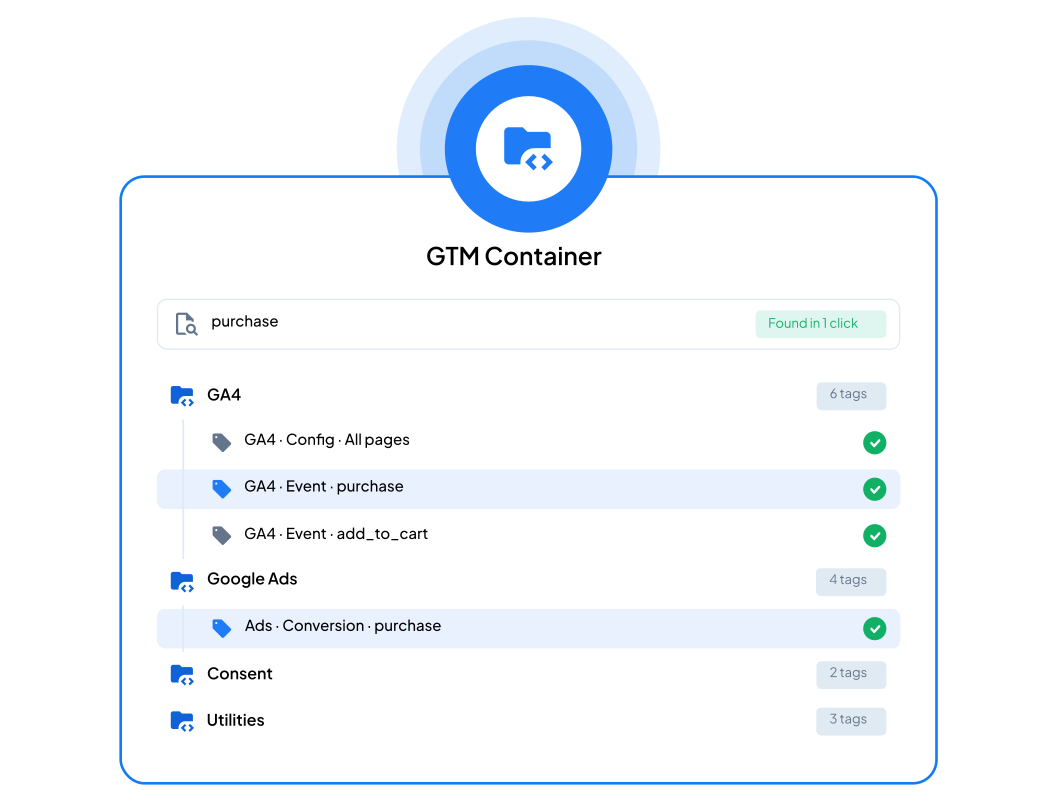
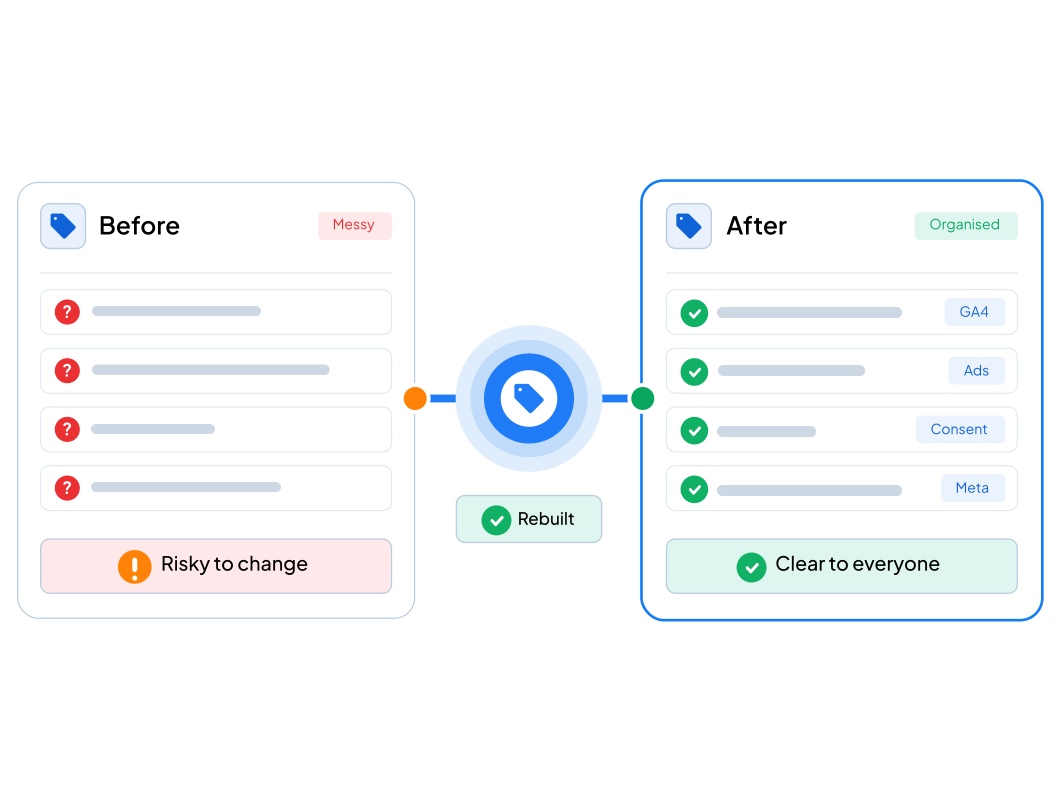
Most containers work right up until someone needs to change one. Our Google Tag Manager consultants rebuild the structure so changes stop being risky and nobody has to guess what a tag does.

Scoped to your site

Built to be maintained

Documented at handover

Standard scope. Anything unusual is confirmed on the kickoff call.

The symptoms

When nobody wants to touch the container

A messy container costs more than tracking errors. It slows the site, inflates the data, and makes every future change a gamble.

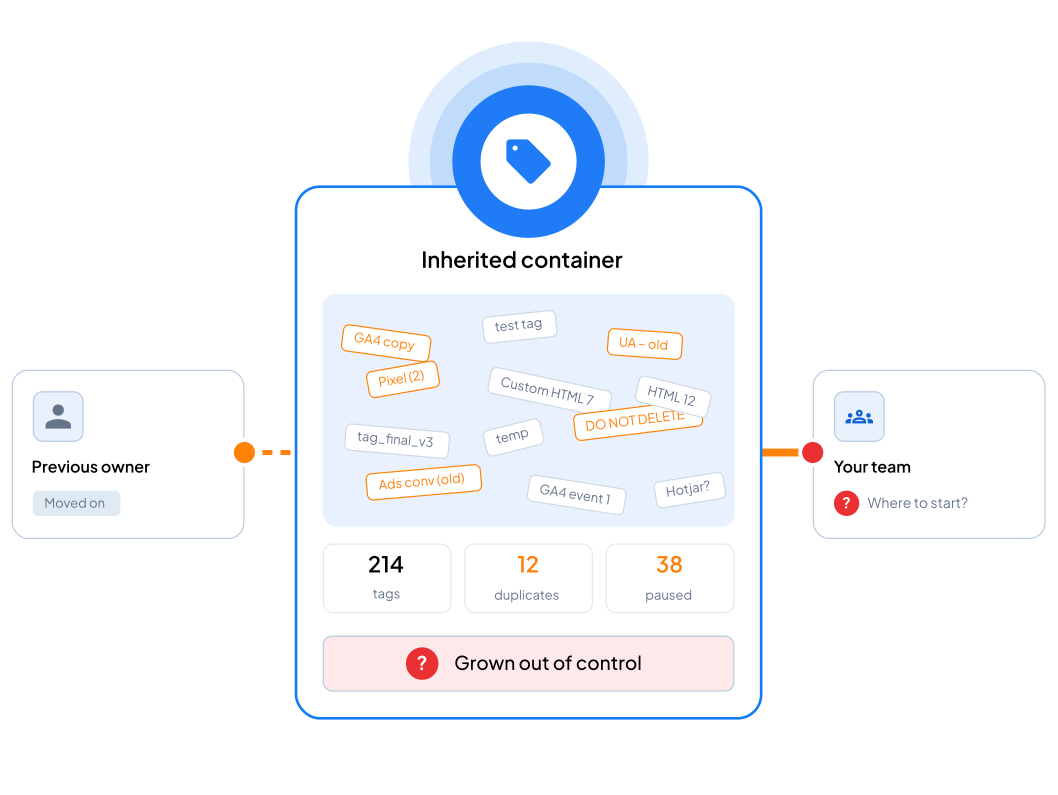
Tags called "New Tag (3)" that nobody can identify

Triggers firing site-wide because narrowing them felt risky

Variables created by someone who left, and nobody dares delete

Tracking that broke after a theme or plugin update

Two containers on the same site, quietly competing

Something's wrong and nobody knows where to start looking

Bar chart comparing GA4 audit workflows, showing GAFix delivers 70% time savings versus other tools

What changes

Not a container that works today. One that keeps working.

Containers get messy because they grow. Different people, no shared conventions, no owner. We rebuild the structure so it survives the next three people who touch it.

Bar chart comparing GA4 audit workflows, showing GAFix delivers 70% time savings versus other tools

The snippet installed correctly across every template

Trigger groups with logic you can follow

Reusable variables instead of values hardcoded in ten places

Naming conventions your team will actually keep to

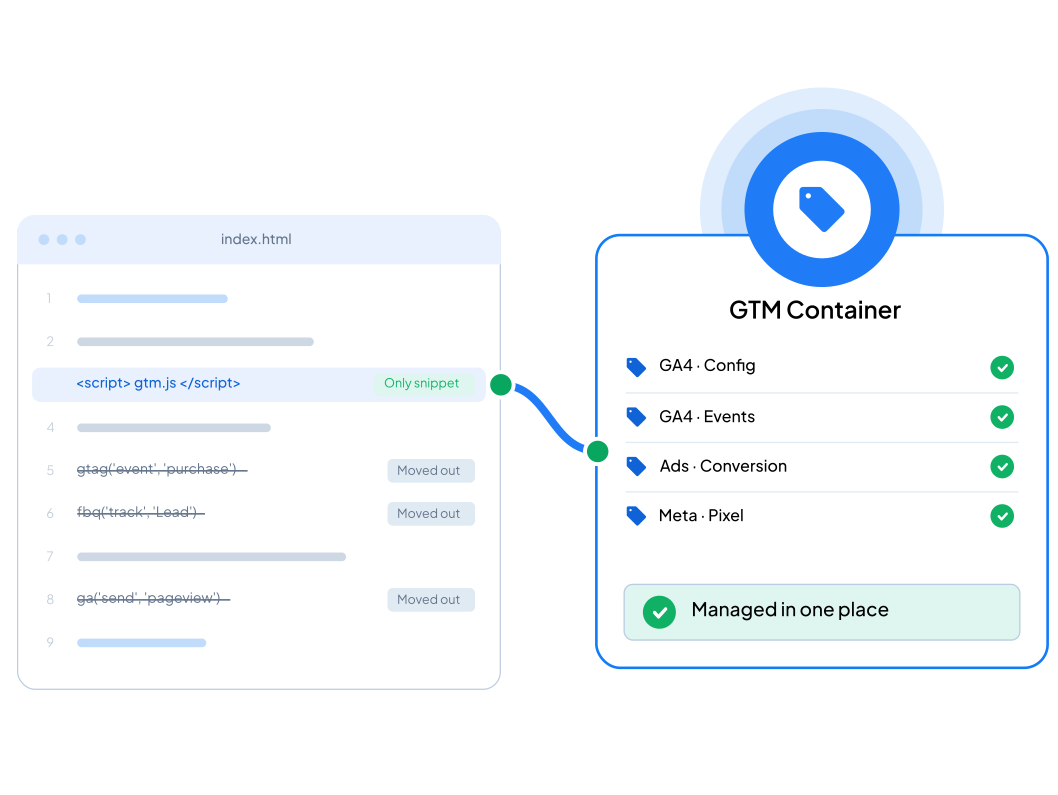
Analytics configured through the container, not buried in site code

Scope

What's included

Container setup
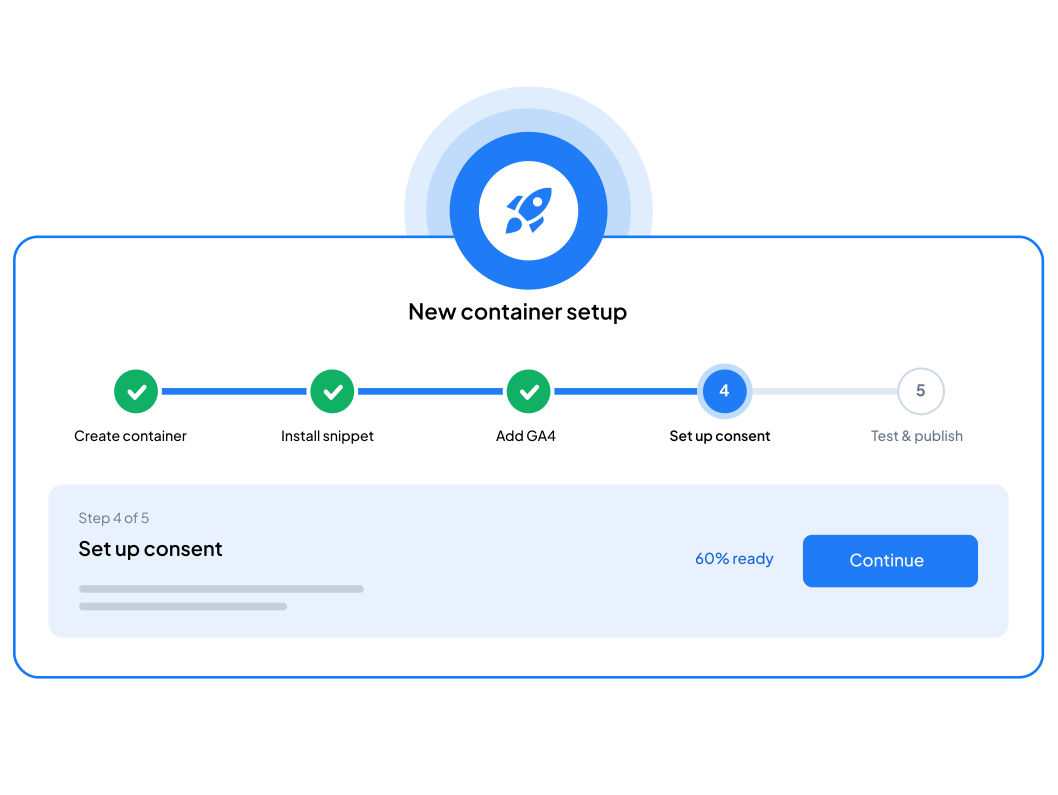
Snippet installed correctly across all pages
Workspace organised and naming conventions established
Structure built to stay maintainable
Analytics configuration
Base tag and configuration variables managed in the container
Data layer set up so changes don't require a developer
Custom events
Form submissions, button clicks, scroll depth, video, downloads
The events that matter to you, with clean triggers and minimal pushes
Migration and cleanup
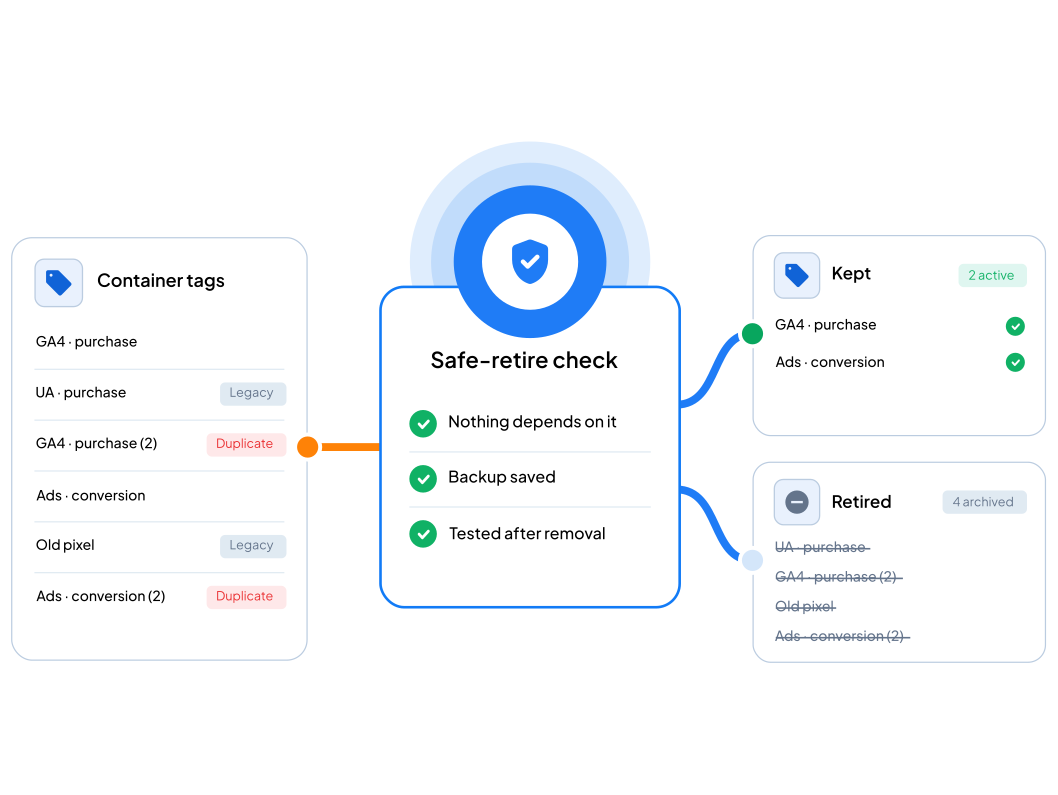
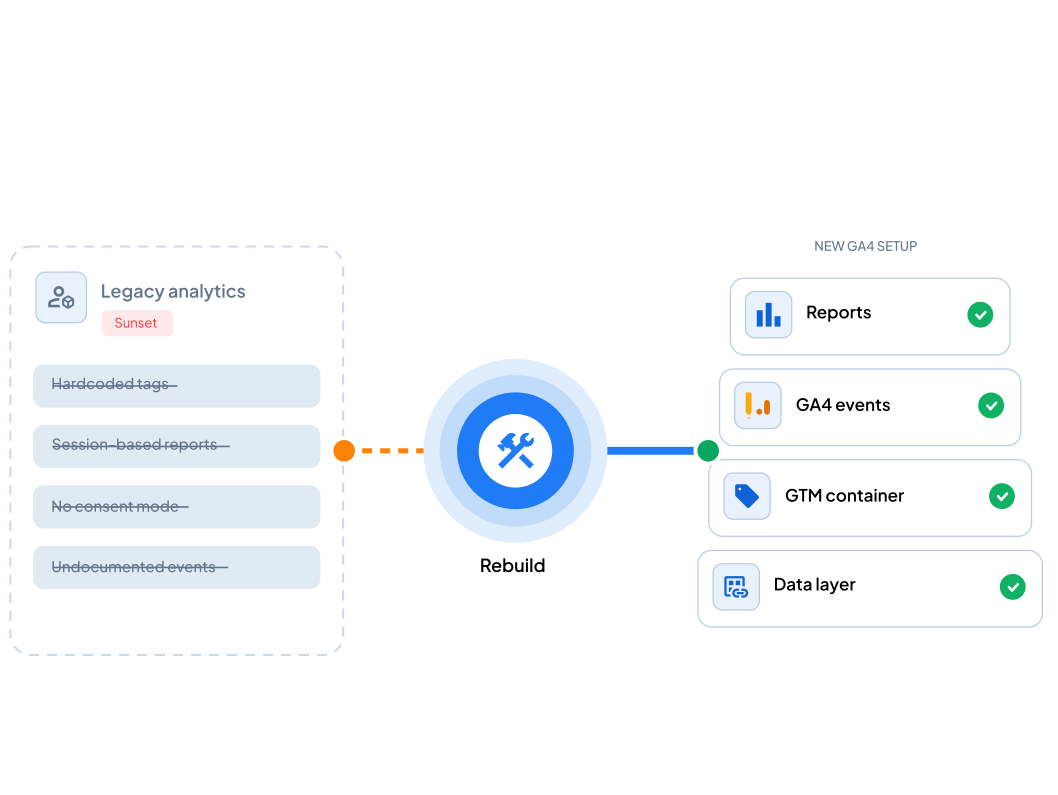
Legacy tags retired safely
Dead triggers removed, duplicates consolidated
We audit what exists and rebuild what earns its place
Architecture
Logical trigger groups and reusable variables
A structure your team can extend without breaking
Documentation
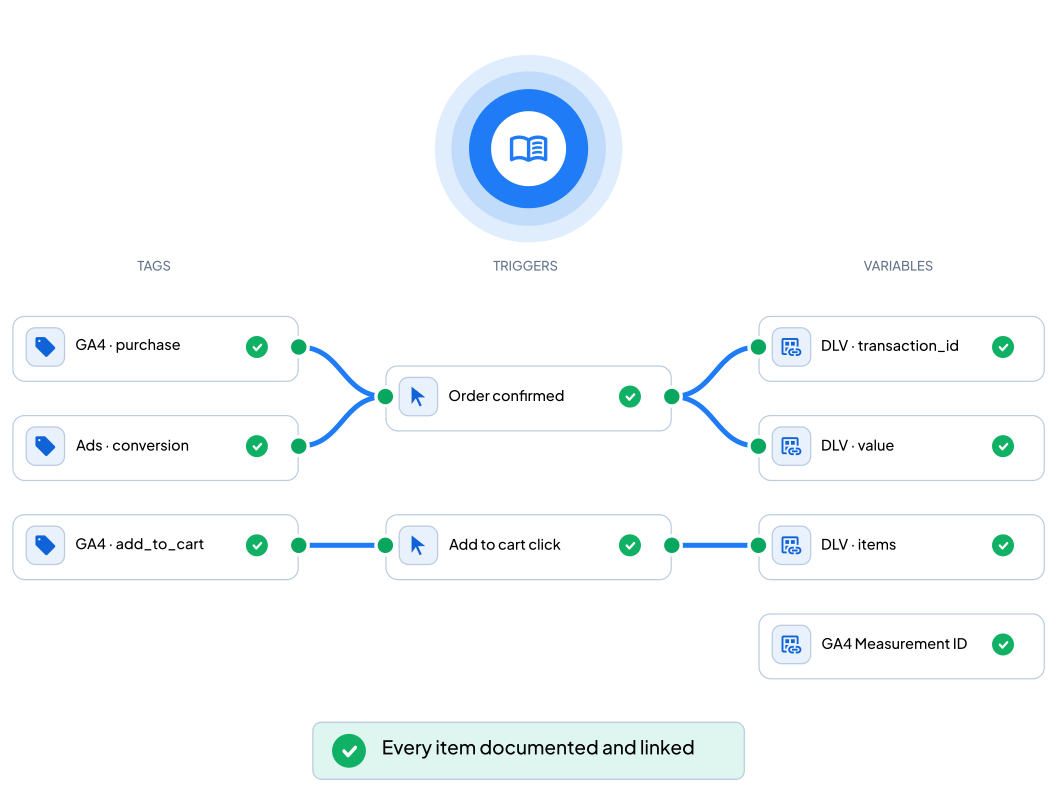
Every tag, trigger and variable documented
Your team knows what's there and why it exists

Custom pricing, built around you.

Scoped individually, then quoted as a fixed price. Nothing is billed before you approve it.

Talk to Us

Scope note: Every container project is scoped individually against your site, your existing setup and what needs measuring. You get a fixed quote before work begins.

Process

How the work runs

Discovery call

We review your site, your existing container if there is one, and what needs measuring.

Scoping

We confirm the plan and quote a fixed price. Nothing starts until you approve it.

Build and test

Built in a staging environment and tested across browsers and devices before anything ships.

Verify and hand off

We check every tag, walk your team through the structure, and hand over documentation.

Results

What you're left with

A container structure your team can navigate
Legacy and duplicate tags retired safely
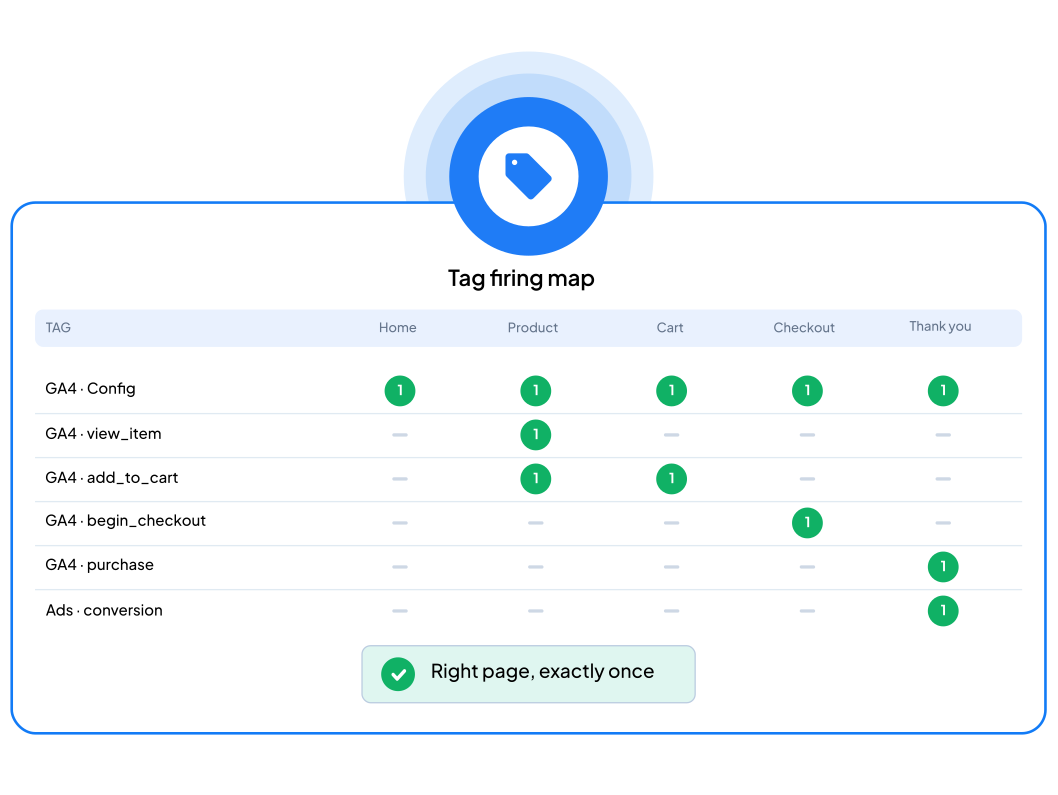
Every tag firing where it should, exactly once
Documentation covering every tag, trigger and variable
Analytics managed in the container, not in site code

Fit

Who this is for

Companies setting a container up for the first time
Businesses migrating off legacy analytics who need a rebuild
Teams who inherited one that grew out of control
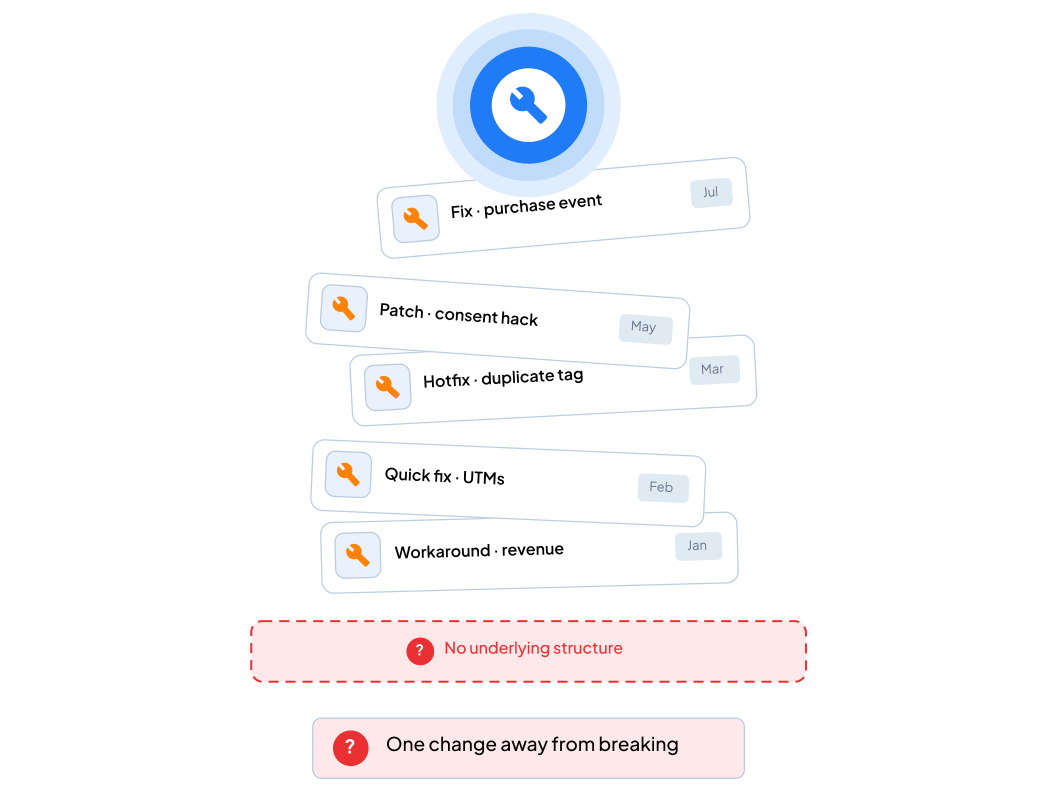
Anyone applying tracking patches without an underlying structure

FAQ

Frequently Asked Questions

Not sure which audit option suits you best? Let’s clear things up.
Why do tags stop firing without anyone changing them?

Someone did change something, just not the tag. A redesign renames the selector a click trigger watched. A plugin update moves the snippet. A tool gets added to the site directly. Rebuilding the structure fixes the cause rather than patching each symptom as it appears.

Can you clean this up without breaking what works?

That's the core of the migration work. We audit what exists, rebuild in a staging environment, and test across browsers and devices before publishing anything. Nothing goes live untested.

Do we need a rebuild or just a fix?

If one tag is broken, the $299 Quick Fix is faster and cheaper, and we'll tell you so. A rebuild is right when the container itself is the problem: no conventions, no owner, and every change carrying risk.

Ours works fine. Anything worth doing?

Then leave it alone. If you want more resilient collection, look at server-side tracking. If you want to know when it breaks, look at monitoring. Neither is urgent if things are genuinely working.