GA4 Implementation

Measured properly, from the start.

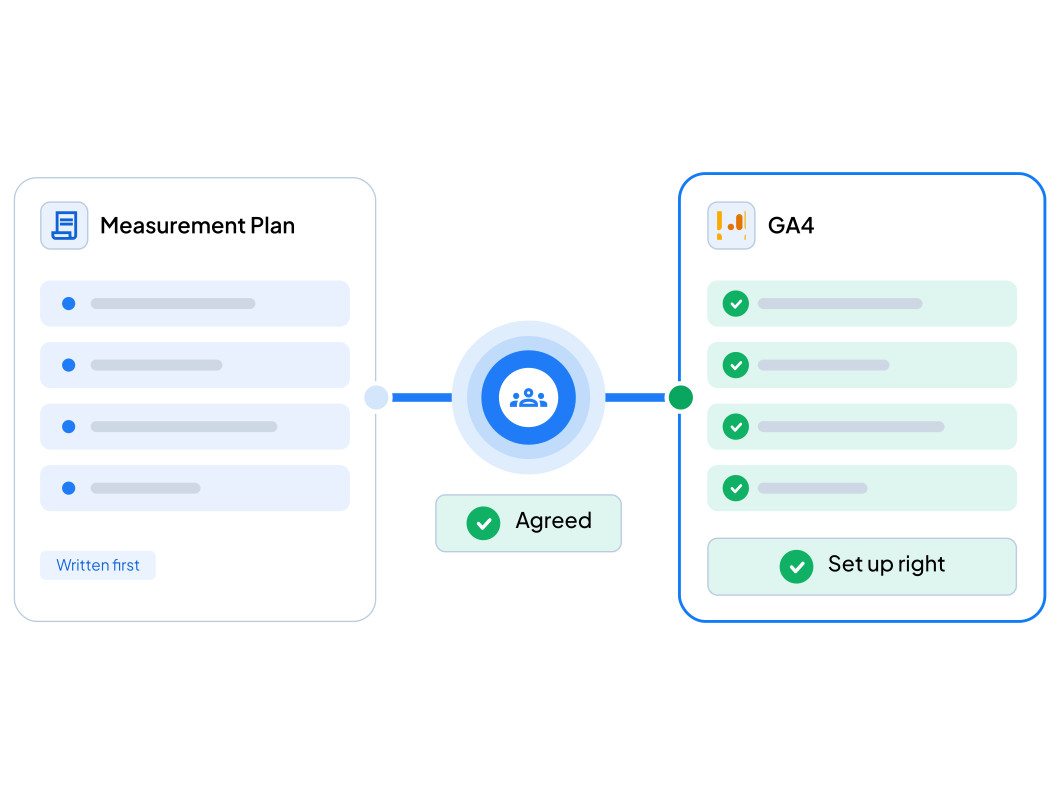
A setup built on shortcuts costs more to untangle later than it would have cost to do once. Our GA4 consultants write the measurement plan first, agree it with you, and then build to it.

Scoped to your business

No templates applied blindly

Documented at handover

Standard scope. Anything unusual is confirmed on the kickoff call.

The symptoms

When the current setup is working against you

Doing this properly the first time is consistently cheaper than fixing it after a year of decisions have been made on it.

Analytics was set up quickly and never properly validated

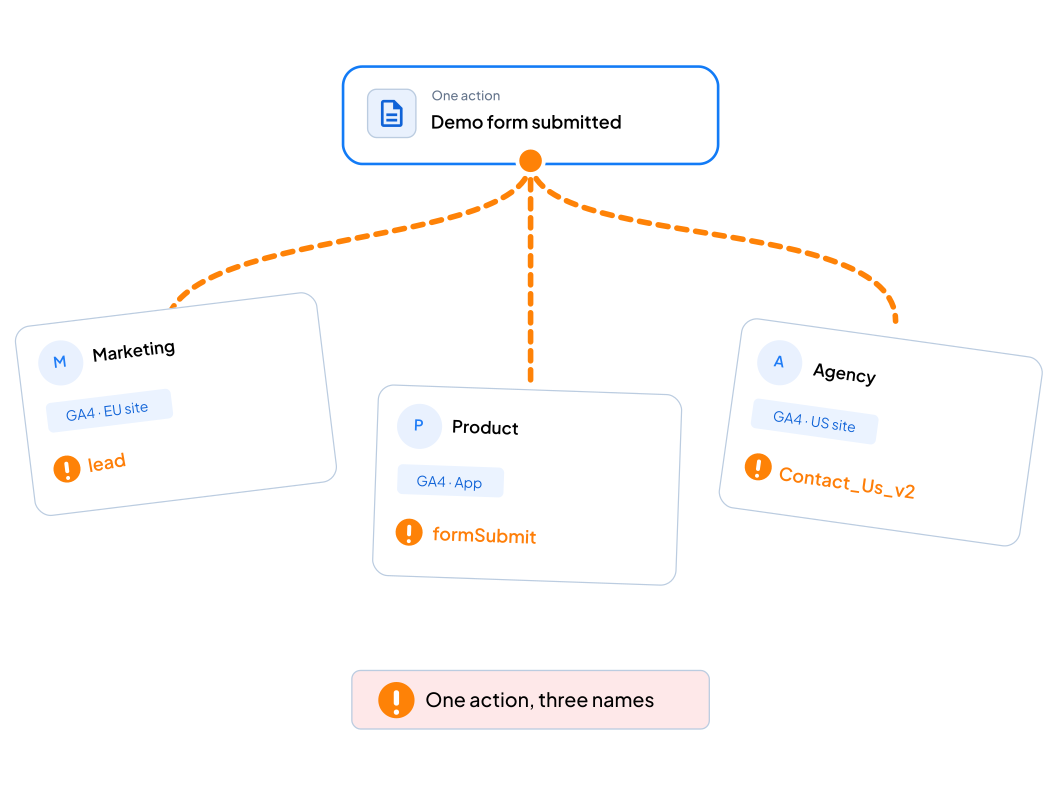
Event names follow no pattern, so nothing aggregates cleanly

Conversions are marked but don't reflect real business outcomes

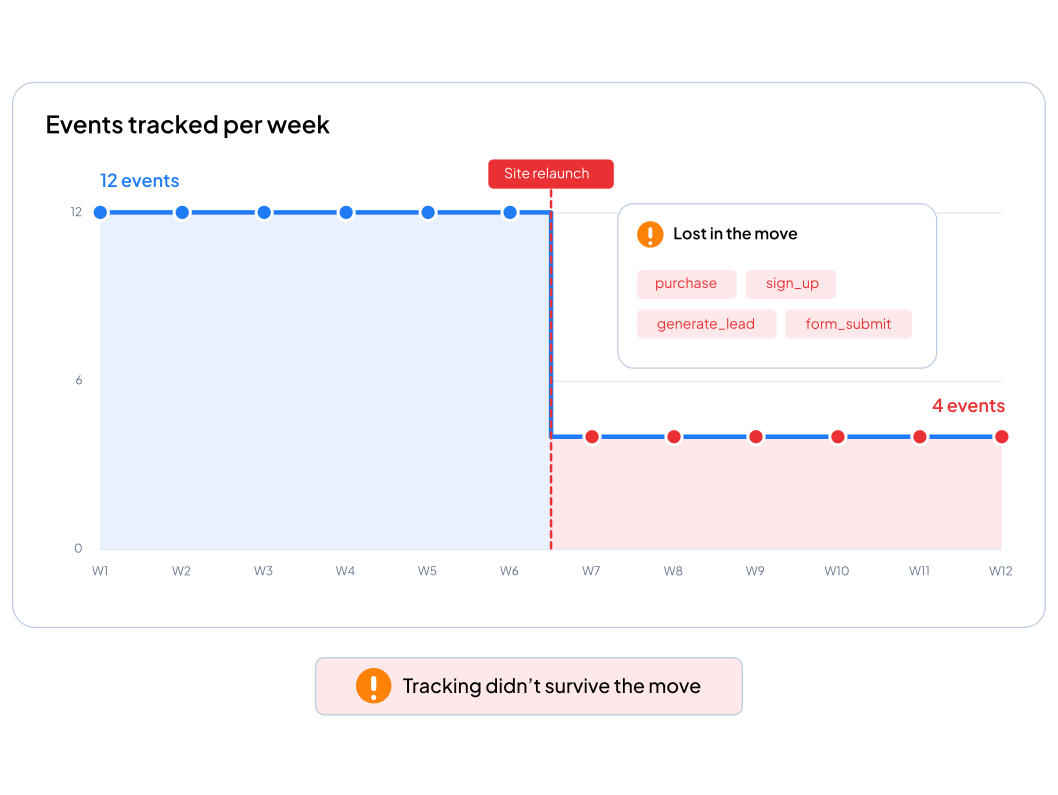
You replatformed and the measurement didn't come with you

You're starting from nothing and would rather do it once

The current setup is a stack of patches with no owner

Bar chart comparing GA4 audit workflows, showing GAFix delivers 70% time savings versus other tools

What changes

Not the default configuration. One built for your business.

Out of the box you get pageviews and a few interactions. A real implementation maps the actions that matter to your business and makes them consistent enough to analyse.

Bar chart comparing GA4 audit workflows, showing GAFix delivers 70% time savings versus other tools

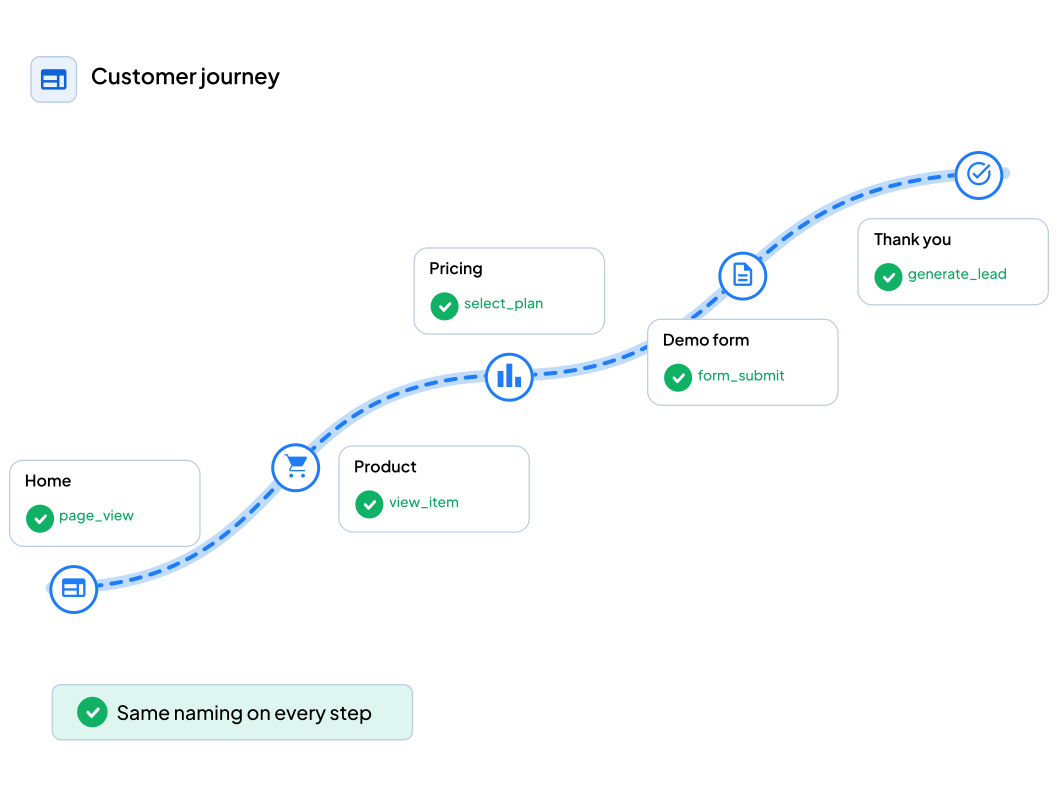
Event taxonomy designed around your model and your user journey

Conversions defined by business outcomes, not platform suggestions

A container organised so the next person can maintain it

Attribution configured for your actual sales cycle

A data layer that supports what you'll need next year too

Scope

What's included

Property configuration
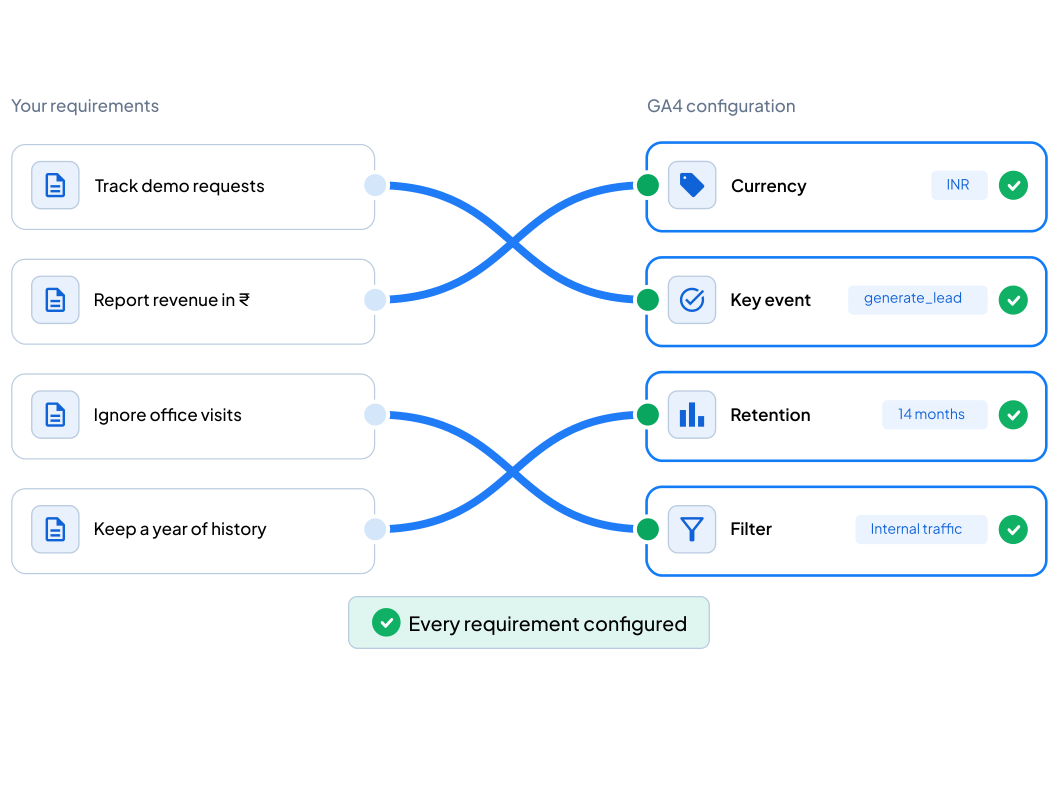
Property, data stream and measurement settings set correctly
Internal traffic, referral exclusions and retention configured
Cross-domain set up where journeys need it
Measurement plan
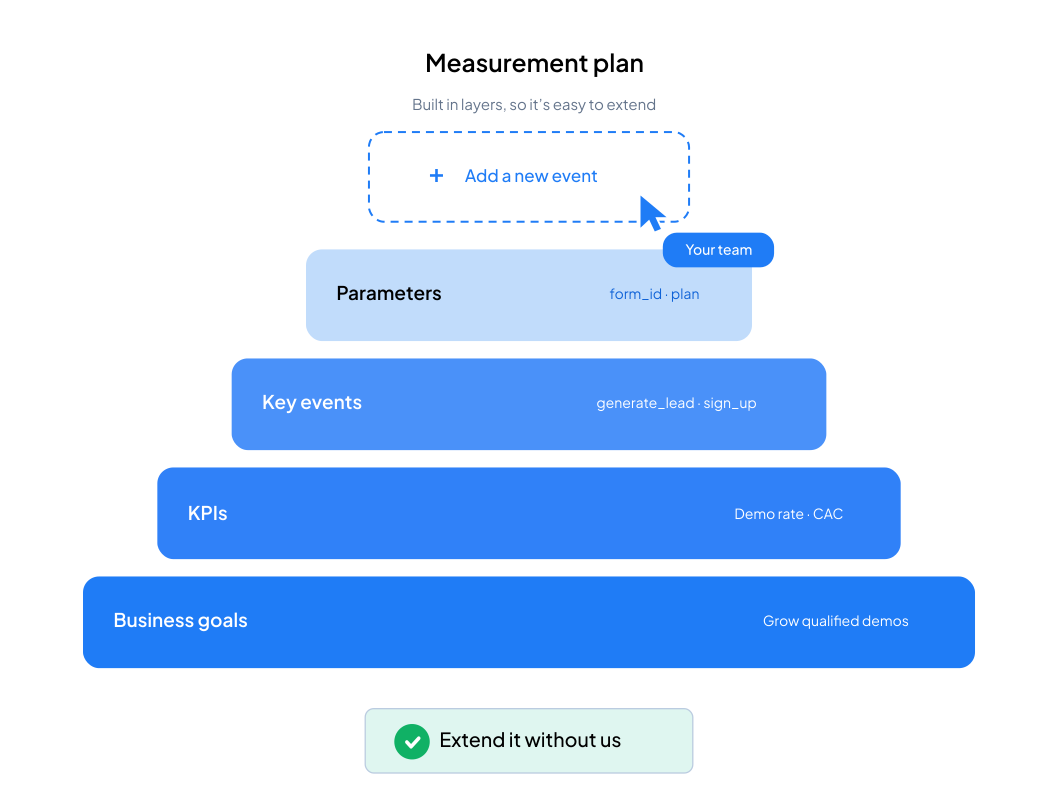
A tracking plan built around your user journey and goals
Events named and structured consistently
Parameters mapped to the analysis you actually want
The build
Tags, triggers and variables built cleanly in your container
Data layer implemented for your platform
Naming and documentation applied throughout
Conversions
Key events defined and validated
Attribution model and lookback window set deliberately
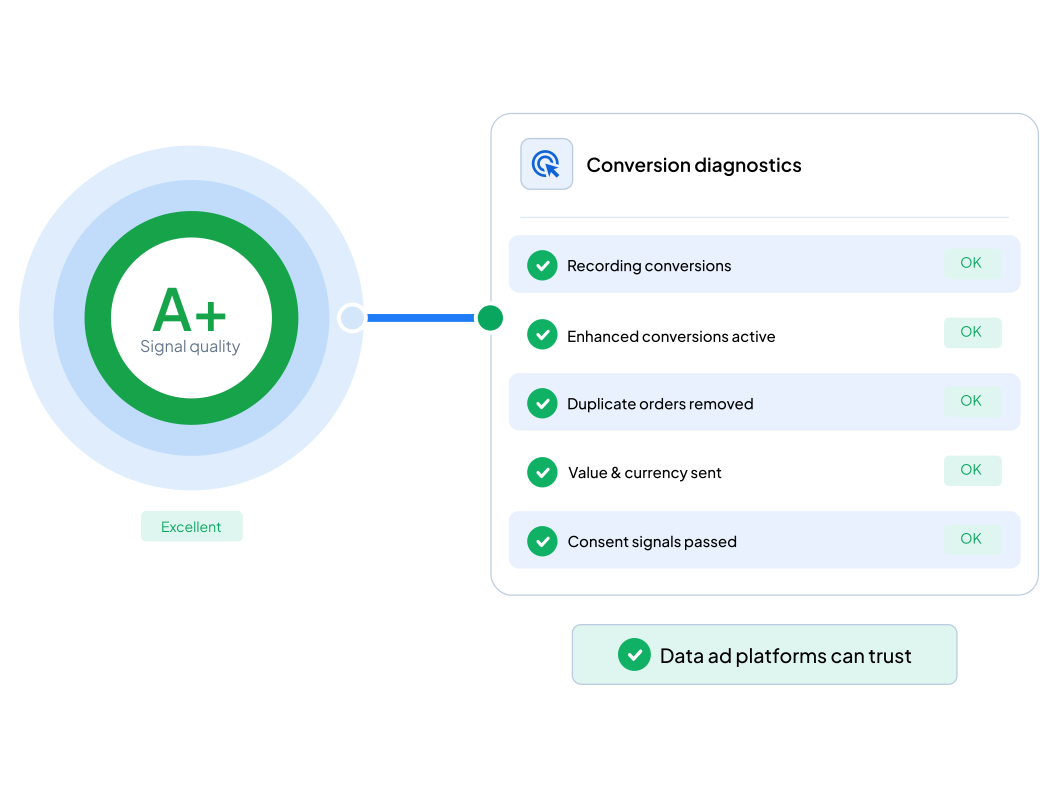
Ad platform conversion import where it applies
Verification
Every event tested in DebugView and real-time
End-to-end testing before handover
Platforms
Shopify, WooCommerce, WordPress, Webflow and custom builds
Platform and complexity confirmed on the scoping call

Custom pricing, built around you.

Scoped individually, then quoted as a fixed price. Nothing is billed before you approve it.

Talk to Us

Scope note: Every implementation is scoped individually based on the platform, journey complexity, and event count. You’ll get a fixed quote upfront because a five-event site and a fifty-event marketplace aren’t the same job.

Process

How the work runs

Scoping call

We map your business model, your user journey, your platforms and what you need to report. We decide what to measure and why before anything is built. This step matters more than the build.

Measurement plan

A document listing every event, parameter and conversion: what it captures, where it fires, and which question it answers. You sign it off before implementation starts.

Implementation

We build the container, configure the property, implement the data layer, and ship every event in the plan. Documented as we go.

Verify and hand over

Every event tested, conversions validated, and full documentation handed over so your team knows what exists and why.

Results

What you're left with

A property configured for your business rather than for defaults
Conversion data your ad platforms can be trusted with
Every important action measured, named consistently and verified
A measurement plan you can extend without us
A container your team can navigate and maintain
No black boxes

Fit

Who this is for

Businesses setting analytics up for the first time
Organisations where tracking has drifted across teams and properties
Teams whose measurement didn't survive a replatform
Anyone who tried to patch it and concluded it needs rebuilding
Companies whose setup was never validated after going live

What this isn't

A template applied without understanding your business
A setup call with a checklist
Generic event names that don't describe your user journey
Something you'll be rebuilding in six months

FAQ

Frequently Asked Questions

How long does this take?

It depends on your platform and how many events are in the plan, which is exactly what the scoping call establishes. You'll have a timeline before you commit, not an estimate that moves.

Should I audit first?

If you have an existing property, yes. The free audit shows us what's already there and what's worth keeping, which makes scoping faster and cheaper. Starting from nothing, we go straight to the scoping call.

Which platforms do you work with?

Shopify, WooCommerce, WordPress, Webflow and custom builds. Custom stacks usually need your developers to implement the data layer against a specification we write, which we'll confirm on the call.

Why isn't there a fixed price?

Because it would either overcharge simple setups or underquote complex ones, and we'd rather do neither. Scoping is free and produces a fixed quote you can hold us to.

What happens afterwards?

You get documentation and the measurement plan. If you want the setup watched so it doesn't drift, monitoring plans are the natural next step, but they're not required.